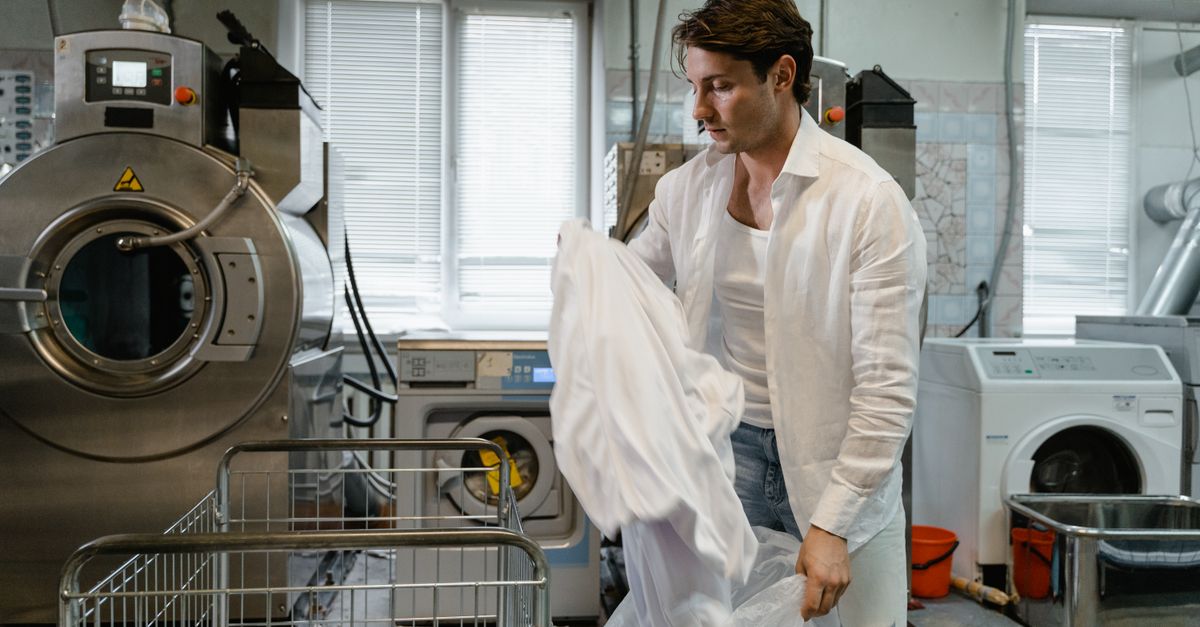
Why Your Homemade Laundry Detergent Fails (And What Actually Works for Clean Clothes)
Are you tired of making batches of homemade laundry detergent, only to find your clothes are still dingy, smell faintly of body odor, or even have weird residue? I’ve been there. For years, I chased the dream of a ‘natural,’ ‘frugal,’ and ‘effective’ homemade laundry solution. I grated bars of soap, mixed borax with washing soda, and even added essential oils, convinced I was saving money and doing good for my family and the planet. But the truth, which I learned the hard way, is that most DIY laundry detergent recipes are fundamentally flawed. They don’t actually clean your clothes. They might make them smell different, or feel okay right out of the wash, but the long-term results are often disappointing, leading to buildup, stiffness, and ultimately, wasted effort and ruined garments.
I vividly remember one particular incident. After months of using my carefully crafted soap-flake concoction, I pulled a load of towels from the dryer. Instead of the fluffy, fresh scent I craved, they felt strangely stiff and had a faint, almost greasy residue. It wasn’t just my imagination – my husband even complained that his gym clothes never truly felt clean. That’s when I realized my homemade efforts were doing more harm than good. I wasn’t saving money; I was just accumulating clothes that needed re-washing with real detergent, or worse, replacing sooner than necessary. This eye-opening experience sent me down a rabbit hole of research into the actual chemistry of cleaning, and what I discovered completely changed my perspective on laundry. It turns out, there’s a critical difference between soap and detergent, and understanding it is key to truly clean clothes without breaking the bank or resorting to harsh chemicals.
Key Takeaways
- Most homemade laundry detergents, made from bar soap, don’t truly clean clothes but rather redeposit soap scum.
- The fundamental difference between soap and detergent lies in their chemical structure and reaction to hard water.
- True cleaning requires surfactants designed to lift dirt and prevent redeposition, which bar soap lacks.
- Instead of DIY soap, opt for commercial detergents with minimal ingredients or make your own ‘detergent booster’ for effective cleaning.
- Regularly stripping clothes and cleaning your washing machine are crucial steps to reverse soap buildup and maintain freshness.
The Fundamental Flaw: Soap vs. Detergent
The biggest mistake I (and countless others) made was assuming that soap and detergent are interchangeable. They are not. This distinction is the bedrock of why most homemade laundry recipes fail. Bar soap, which forms the base of nearly all DIY recipes (grated Ivory, Fels-Naptha, Zote, castile soap, etc.), is made from fats or oils and lye. When soap comes into contact with the minerals in hard water (calcium and magnesium, common in most tap water), it reacts to form soap scum. This is the same film you see on your shower walls or bathtub after bathing with bar soap. Now imagine that film forming on and in the fibers of your clothes during every wash cycle.
Detergents, on the other hand, are synthetic cleaning agents developed specifically to not react with hard water minerals. They contain surfactants (surface-active agents) that are designed to: 1) effectively lower the surface tension of water, allowing it to penetrate fabrics better; 2) encapsulate dirt, oil, and grime; and 3) hold these particles in suspension so they are rinsed away with the water, preventing them from redepositing onto your clothes. This is the crucial difference. Soap grabs dirt, yes, but then often redeposits it along with its own mineral residue. Detergent lifts dirt and ensures it leaves with the wash water.
In my own journey, I saw this play out firsthand. My towels became stiff, dark clothing developed a grayish tint, and my athletic wear, in particular, retained an unpleasant odor despite multiple washes. This wasn’t just a lack of cleaning; it was active residue buildup. The soap scum was trapping odor-causing bacteria and making fabrics less absorbent and less soft. Once I understood this chemical reality, I stopped trying to force a square peg (soap) into a round hole (laundry cleaning).
The Hidden Costs of Soap Buildup
The immediate visual and olfactory results of failed homemade detergent are obvious: dingy whites, dull colors, stiff fabrics, and lingering odors. But the costs go deeper, silently draining your pocket and impacting your health. First, there’s the reduced lifespan of your clothes. That soap scum residue makes fabrics brittle over time. It can weaken fibers, leading to tears, pilling, and premature wear, especially in high-quality garments. I had several expensive athletic shirts that developed holes far quicker than they should have, and I now attribute it directly to the harsh soap residue weakening the synthetic fibers.
Second, impact on washing machine longevity. Soap scum doesn’t just stick to clothes; it builds up inside your washing machine itself. Over time, this can clog hoses, accumulate in the drum, and create a breeding ground for mold and mildew. This leads to that notorious musty smell that permeates supposedly ‘clean’ laundry, and it can eventually necessitate expensive repairs or even premature replacement of your appliance. I had to run several heavy-duty cleaning cycles with specialized machine cleaner to eradicate the film and odor that my homemade detergent had left behind.
Third, skin irritation. For those with sensitive skin, or even just general sensitivity, the residual soap scum on clothing can be a constant irritant. It’s not truly rinsed away, meaning you’re essentially wearing a thin layer of hardened soap and mineral deposits. This can cause itching, rashes, or exacerbate conditions like eczema, leading to a cycle of discomfort and the need for more specialized (and often expensive) skincare products. The goal was to be ‘natural,’ but the outcome was anything but gentle.
What ‘Washing Soda’ and ‘Borax’ Actually Do (And Don’t Do)
Many DIY recipes rely heavily on washing soda (sodium carbonate) and borax (sodium tetraborate). These ingredients are often touted as cleaning powerhouses, and while they do have some beneficial properties, they are not detergents and cannot compensate for the fundamental flaw of soap.
Washing soda is a powerful alkaline salt. It helps to soften water by precipitating out calcium and magnesium ions, which reduces the amount of soap scum that forms. It also boosts the pH of the wash water, which can help loosen certain types of dirt and oils. Think of it as a booster for cleaning, making water more effective. However, it still doesn’t contain the surfactants necessary to truly lift and suspend dirt like a detergent does. If used with bar soap, it merely mitigates some of the soap scum, but doesn’t eliminate the issue entirely.
Borax also has a high pH, making it alkaline. It’s known for its ability to boost cleaning power, deodorize, and even inhibit mold growth. Like washing soda, it helps to condition the water and can aid in loosening grime. It’s also often used as a mild disinfectant. But again, it’s not a detergent. It enhances the environment for cleaning but doesn’t perform the primary dirt-lifting and suspending action that surfactants do. Using borax and washing soda with grated bar soap is like building a super-efficient car engine but putting bicycle wheels on it – it still won’t drive correctly.
My personal experience was that adding these ingredients made the water feel ‘slippery,’ and the clothes seemed cleaner initially. But the stiffness and residue eventually caught up. I was merely creating a more alkaline soap solution, not a true detergent, and the underlying problem of soap scum persisted. These ingredients are best utilized as enhancements to a proper detergent, not as replacements for it.
The ‘Zero Waste’ Detergent Trap: Pods and Liquids vs. Powders
For those of us striving for a more sustainable, less-waste lifestyle, the world of laundry detergent can be frustrating. Many commercial detergents come in bulky plastic jugs. This led me, and many others, to seek out pods, sheets, or even make homemade liquids, thinking they were better options. However, there are nuances to consider that impact both effectiveness and environmental footprint.
Detergent Pods are popular for convenience and pre-measured dosing, which can prevent overuse. However, they are often more expensive per load and contain a high concentration of surfactants. While effective, the outer film (PVA or PVOH) is a point of contention among environmentalists. While it’s designed to dissolve, studies are ongoing about its biodegradability in various wastewater treatment systems. From a cleaning perspective, they are generally highly effective, but the ‘zero waste’ claim is debated.
Liquid Detergents are the most common. They perform well, especially in cold water, and often contain enzymes that target specific stains. The main drawback is the plastic packaging, though many brands now offer concentrated formulas and refill pouches. From a cleaning standpoint, good quality liquids are very reliable.
Powder Detergents are often overlooked but can be a surprisingly good option, especially for the environmentally conscious. They usually come in cardboard boxes, making them more easily recyclable or compostable. Powders often contain oxygen-based bleaches (like sodium percarbonate) which are excellent for whitening and brightening. They also tend to be highly stable without needing preservatives, unlike liquids. Critically, powders can be more effective in hard water because the active ingredients are less likely to be deactivated by minerals before they even start cleaning.
After my homemade detergent debacle, I switched to a powder detergent that came in a cardboard box. The difference was immediate and dramatic. My clothes were genuinely clean, brighter, and softer. I found that the traditional powder, especially one with a simple ingredient list, delivered on both performance and my desire for less plastic. It wasn’t ‘zero waste’ in the DIY sense, but it was far more effective and came with a smaller packaging footprint than liquids.
What Actually Works: Effective & Frugal Alternatives
So, if homemade soap-based detergents are out, what actually works? My approach has shifted from trying to reinvent the wheel to smartly leveraging proven science, focusing on effectiveness, sustainability, and frugality. Here are my top recommendations:
Opt for a High-Quality, Simple Commercial Detergent: Forget the fancy, heavily scented, brightly colored ones. Look for a concentrated, unscented, or lightly scented powder detergent in a cardboard box. Brands that prioritize efficacy over bells and whistles are often the best bet. Read the ingredient list: you want to see actual surfactants (often listed as sodium lauryl sulfate, laureth-7, or similar complex chemical names – don’t let the names scare you, these are the active cleaning agents). I personally use a well-known ‘free and clear’ powder detergent and it has been a game-changer for both cleanliness and avoiding skin irritation.
Strategic Use of Boosters: You can still use washing soda and borax, but as boosters alongside a commercial detergent, not as the primary cleaning agent. Add about half a cup of washing soda or borax to particularly dirty loads, or if you have very hard water. This helps the detergent work more efficiently. White vinegar (1/2 cup in the fabric softener dispenser) is also an excellent natural fabric softener and deodorizer, especially for athletic wear, and helps rinse away any lingering detergent residue.
Embrace ‘Detergent Stripping’ Periodically: This is a revelation for anyone who’s had soap buildup. Every few months, or if your clothes start feeling stiff or dull again, perform a detergent strip. Here’s my go-to method: Fill a bathtub or large basin with hot water. Add 1/4 cup washing soda, 1/4 cup borax, and 1/4 cup of your regular powdered laundry detergent. Submerge clean clothes (towels, sheets, athletic wear are great candidates) and let them soak for 3-4 hours, stirring occasionally. You will be absolutely shocked at the murky, disgusting water that results, even from supposedly clean clothes. This is all the embedded soap scum, mineral deposits, and dirt being pulled out. Then, run the clothes through a full wash cycle with no detergent, and then dry as usual. The difference in softness, absorbency, and smell is incredible.
Regular Washing Machine Maintenance: Your machine cannot clean clothes if it’s dirty itself. Run an empty hot wash cycle with a cup of white vinegar or a specialized washing machine cleaner once a month. Make sure to clean the detergent dispenser and the rubber gasket around the door (front-loaders) where mold can easily accumulate. This prevents the transfer of odors and residue from the machine to your laundry.
By adopting these methods, I’ve not only achieved genuinely clean clothes but also streamlined my laundry routine and saved money in the long run by extending the life of my garments and machine. It’s about working with the science of cleaning, not against it.
The Unseen Benefit: Time and Peace of Mind
Beyond the tangible benefits of cleaner clothes and extended garment life, there’s an often-overlooked advantage to ditching the homemade detergent hustle: reclaiming your time and peace of mind. I used to spend a considerable amount of time grating soap, mixing powders, and measuring out my homemade concoctions. I was constantly battling the residue, the stiffness, and the lingering odors, always wondering if I needed to tweak the recipe or add another ‘natural’ booster. It was a chore within a chore.
Once I made the switch to a reliable commercial detergent and adopted the strategic boosting and stripping methods, laundry became a far simpler, more predictable task. I stopped scrutinizing every load, sniffing clothes for hidden odors, or re-washing items that didn’t feel quite right. The mental load associated with laundry significantly decreased. This freed up time and mental energy for other things that truly matter – whether it was enjoying an extra 20 minutes with my family, dedicating more time to my hobbies, or simply relaxing without a nagging laundry worry in the back of my mind.
Furthermore, the confidence that my clothes are truly clean and well-cared for adds a subtle layer of daily comfort. It’s knowing that my sensitive-skinned child isn’t constantly irritated by fabric residue, that my towels are actually absorbent, and that my workout gear is genuinely fresh. This quiet assurance, for me, far outweighs the perceived ‘virtue’ of a completely homemade product that simply didn’t perform.
Frequently Asked Questions
Q: Is it truly impossible for homemade soap-based detergents to clean clothes effectively?
A: For most people with typical tap water, yes, it’s very difficult for soap-based homemade detergents to clean effectively. Bar soap reacts with hard water minerals to form insoluble soap scum, which redeposits onto clothes, causing dinginess, stiffness, and odor retention. True cleaning requires surfactants found in commercial detergents that prevent this buildup. While some might claim success, it’s often a short-term observation or due to unusually soft water.
Q: What are the main signs that my homemade detergent is failing?
A: Common signs include clothes feeling stiff or scratchy, colors looking dull or dingy, whites turning gray or yellow, a lingering musty or body odor, especially in athletic wear, and residue visible on clothing or within your washing machine drum.
Q: Can I still use ingredients like washing soda and borax if I switch to commercial detergent?
A: Absolutely, and you should! Washing soda and borax are excellent boosters. They help soften water, enhance the detergent’s cleaning power, and aid in deodorizing. Add about 1/4 to 1/2 cup to your wash cycle alongside your regular commercial detergent, particularly for heavily soiled loads or if you have hard water.
Q: What is ‘detergent stripping’ and how often should I do it?
A: Detergent stripping is a deep cleaning process that removes accumulated soap scum, mineral deposits, and trapped dirt from fabrics. It typically involves soaking already washed clothes in a mixture of hot water, washing soda, borax, and a small amount of powdered commercial detergent for several hours, then re-washing without detergent. I recommend doing it every 2-3 months, or whenever you notice clothes becoming stiff, dull, or retaining odors.
Q: Are there any truly ‘natural’ or ‘eco-friendly’ laundry options that actually work?
A: Yes, but they often involve commercial formulations designed for efficacy. Look for unscented, plant-derived liquid or powdered detergents that clearly state they are free of dyes, optical brighteners, and harsh chemicals. Many brands offer concentrated formulas or come in eco-friendly packaging (like cardboard boxes for powders or refill pouches for liquids). While not ‘homemade,’ these options provide a balance of effective cleaning and environmental responsibility without the drawbacks of soap-based DIY recipes.
Q: My clothes smell mildewy even after washing. Is this related to homemade detergent?
A: Yes, it’s very likely related. Soap scum and residue trapped in fabric fibers and within your washing machine’s dark, damp crevices (like the rubber gasket in front-loaders) create an ideal breeding ground for mold and mildew. This leads to that pervasive musty smell. Regular machine cleaning and detergent stripping (as described above) are crucial steps to eliminate this issue.
Conclusion: Reclaiming Your Laundry for Real
The journey from enthusiastic DIY laundry maker to pragmatic, effective laundry doer was a significant one for me. I initially believed I was making a more ‘natural’ choice, only to discover I was actively hindering the cleanliness of my clothes and potentially damaging my washing machine. The truth is, sometimes the most ‘natural’ or ‘homemade’ path isn’t the most effective, especially when it comes to chemistry-driven tasks like cleaning.
My advice is simple: let go of the guilt or the desire for a completely homemade detergent. Embrace the power of modern detergents, used smartly. Choose a good quality, concentrated powder detergent, use boosters like washing soda and vinegar when needed, and make washing machine maintenance a priority. By doing so, you’ll not only achieve truly clean, fresh-smelling, and longer-lasting clothes, but you’ll also free up your precious time and gain invaluable peace of mind. It’s a pragmatic shift that delivers real, tangible benefits to your home and your budget.
Written by Sarah Jenkins
Home budgeting and frugal living
A former community organizer, Sarah brings a knack for finding resourceful solutions to common household challenges.
You Might Also Like
Why Your DIY Furniture Makeover Chips and Peels (And How to Get a Lasting, Pro Finish)
Stop chipping and peeling! Discover the overlooked mistakes in DIY furniture makeovers and pro techniques for a durable, flawless finish that lasts.

Why Your Homemade Cookies Are Flat, Not Puffy (And The Pro Secrets That Guarantee Bakery-Perfect Results Every Time)
Ever wonder why your homemade cookies spread flat instead of staying puffy? Discover the pro secrets to achieve bakery-perfect results.
Why Your Homemade Cookies Are Flat, Not Puffy (And The Pro Secrets That Guarantee Bakery-Perfect Results Every Time)
Tired of flat cookies? Discover the overlooked mistakes in your baking and the pro secrets for perfectly puffy, chewy cookies every time.