Why Your DIY Furniture Makeover Chips and Peels (And How to Get a Lasting, Pro Finish)
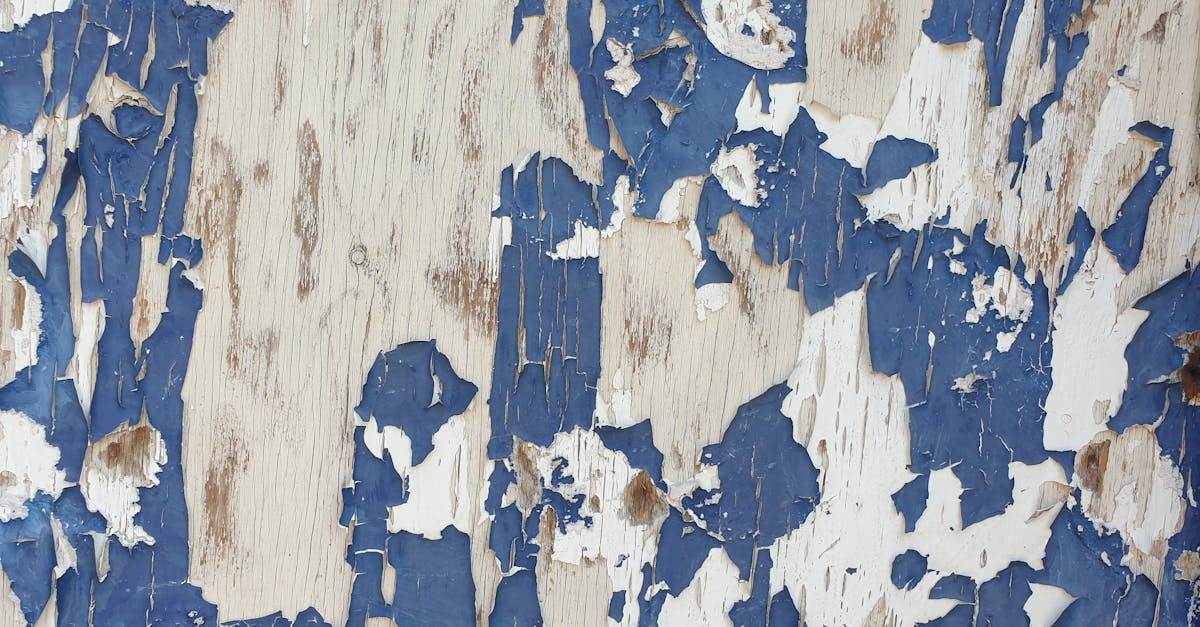
You’ve spent hours sanding, painting, and painstakingly transforming an old dresser or a thrift store find into what you envision as a show-stopping piece. You step back, admire your handiwork, and feel a surge of pride. Fast forward a few weeks, or even days, and there it is: a tiny chip near the corner, a peeling patch on the tabletop, or a dreaded scratch exposing the old finish underneath. Your heart sinks. What went wrong? It’s a scenario I’ve lived through countless times, and one I hear from fellow DIY enthusiasts constantly.
Most online tutorials make furniture makeovers look deceptively simple: clean, sand, paint, seal. But the reality, I discovered through years of trial and error (and a lot of chipped paint), is that the devil is truly in the details. The common advice often skips crucial steps, downplays the importance of proper product selection, and underestimates the impact of environmental factors. The result? A finish that looks good for a photo but fails spectacularly under real-world use.
I’ve spent a small fortune on stripping agents, specialty paints, and more sandpaper than I care to admit. What changed everything for me wasn’t a secret, expensive product, but a fundamental shift in how I approached each stage of the makeover process. It was about understanding the ‘why’ behind each step, not just the ‘how.’ It’s about building a finish that adheres, endures, and genuinely transforms your piece, rather than just temporarily masking it.
Key Takeaways
- Thorough surface preparation is non-negotiable: Don’t skip cleaning or proper sanding; it’s the bedrock of a lasting finish.
- Choose the right primer and paint for your specific material and usage: Universal products rarely deliver optimal adhesion and durability.
- Apply thin, even coats with adequate drying time between each: Rushing leads to weak, brittle finishes that chip easily.
- Invest in a high-quality topcoat appropriate for the furniture’s use: It’s the ultimate protection against daily wear and tear.
Written by Sarah Jenkins
Home budgeting and frugal living
A former community organizer, Sarah brings a knack for finding resourceful solutions to common household challenges.
You Might Also Like

Why Your Homemade Cookies Are Flat, Not Puffy (And The Pro Secrets That Guarantee Bakery-Perfect Results Every Time)
Ever wonder why your homemade cookies spread flat instead of staying puffy? Discover the pro secrets to achieve bakery-perfect results.
Why Your Homemade Cookies Are Flat, Not Puffy (And The Pro Secrets That Guarantee Bakery-Perfect Results Every Time)
Tired of flat cookies? Discover the overlooked mistakes in your baking and the pro secrets for perfectly puffy, chewy cookies every time.

Why Your Home Humidifier Isn't Working (And The Simple Fixes Most People Miss)
Struggling with dry indoor air despite running your humidifier? Learn the overlooked reasons for poor performance and simple fixes.