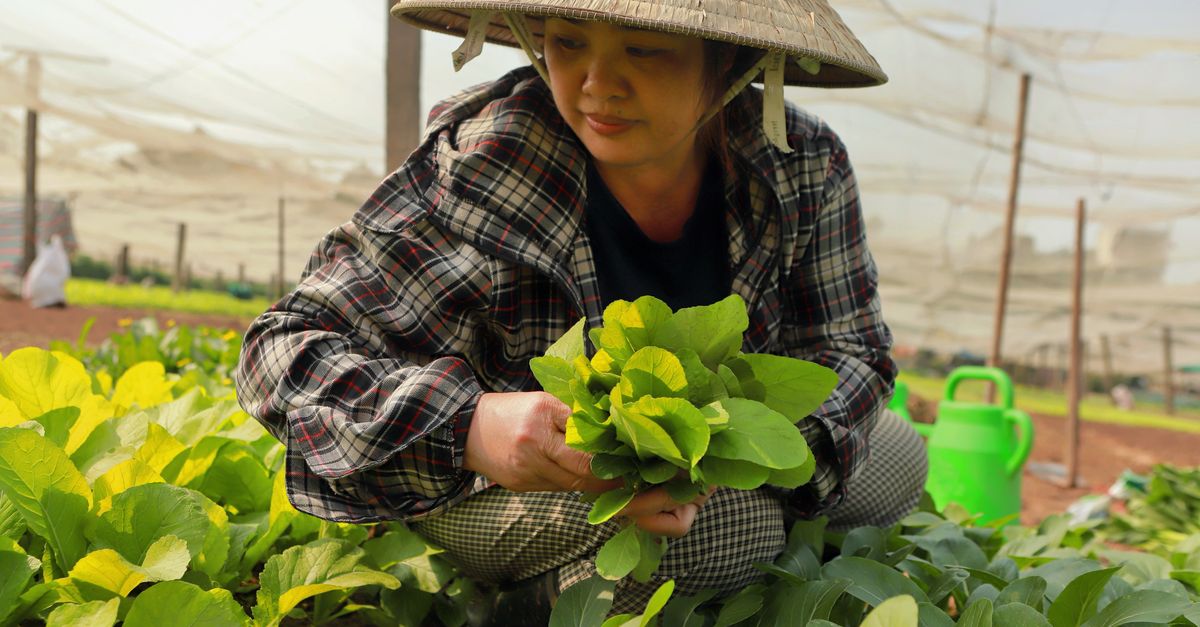
Why Your Home Garden Isn't Thriving (And The Simple Shifts That Changed Everything For My Harvests)
For years, my home garden was a source of frustration. I’d meticulously follow every piece of conventional advice: plant in raised beds, water every morning, use organic compost. Yet, my tomatoes were always stunted, my leafy greens bolted too quickly, and my peppers barely produced. It felt like I was pouring time and effort into a green space that just wouldn’t cooperate. I was convinced I had a black thumb, despite reading countless gardening books and watching endless tutorials.
The turning point came when an old farmer, a true sage of the soil, observed my routine for less than an hour. He didn’t offer a magic bullet, but rather pointed out subtle, interconnected missteps that were sabotaging my efforts. It wasn’t about doing more of the same, but about understanding the why behind what I was doing, and adjusting to my specific environment rather than a generic blueprint. What I learned challenged almost every ‘rule’ I thought I knew and, more importantly, transformed my garden from a perpetual disappointment into a vibrant, productive oasis. If you’re like I was, watering, fertilizing, and pruning by the book yet seeing dismal results, it’s time to dig deeper.
Key Takeaways
- Optimize Sun Exposure Based on Plant Needs, Not Just Location: Understand that ‘full sun’ isn’t always 8+ hours of direct light; some plants thrive with afternoon shade, especially in hotter climates.
- Prioritize Soil Life Over Fertilizers: Focus on feeding the soil’s microorganisms through diverse organic matter, which naturally releases nutrients, rather than relying solely on synthetic or even organic bagged fertilizers.
- Implement Strategic, Deep Watering: Move beyond daily, shallow watering by observing individual plant needs and watering deeply but less frequently to encourage robust root development.
- Embrace Microclimates and Companion Planting: Identify and utilize the subtle temperature, light, and humidity variations in your garden, and plant mutually beneficial species to create a self-sustaining ecosystem.
- Learn to Read Your Plants for Problems: Instead of guessing, understand specific visual cues from your plants that pinpoint exact issues like nutrient deficiencies, pests, or disease.
The ‘Full Sun’ Fallacy: Why Your Plants Are Frying (Not Thriving)
One of the most common pieces of gardening advice is to plant most vegetables in ‘full sun,’ typically defined as 6-8 hours of direct sunlight. For years, I rigidly followed this, placing my tomatoes, peppers, and beans in the sunniest spots available, convinced that more sun equaled more produce. The reality, I painfully learned, was that in my scorching Zone 7B climate, ‘full sun’ was often a death sentence, not a blessing. My plants were suffering from sunscald, wilting by midday, and producing far less than their potential. The issue wasn’t a lack of sun, but an excess of the wrong kind of sun.
The simple truth is that ‘full sun’ is a relative term. A plant that thrives with 8 hours of direct sun in a temperate climate like Zone 4 will often struggle immensely with the same exposure in Zone 8 or 9. The intensity and angle of the sun, coupled with ambient temperatures, dramatically alter a plant’s tolerance. For my garden, the intense afternoon sun between 1 PM and 5 PM was brutal. Even heat-loving plants like tomatoes were shutting down photosynthesis to conserve water, leading to smaller fruit and overall stress.
What changed everything for me was a simple, yet overlooked, adjustment: providing strategic afternoon shade. This didn’t mean moving the entire garden. Instead, I learned to identify which plants were struggling most with the peak heat. For my tomatoes, I installed simple shade cloth (30% blockage) that I could drape over them during the hottest part of the day. For others, I strategically planted taller, more heat-tolerant crops like okra or corn on the western side of beds to cast natural shade on more sensitive companions like lettuce or basil.
This isn’t just about heat. If you live in a perpetually cloudy region, ‘full sun’ might mean barely 4-5 hours of direct, weak light. In such a scenario, maximizing every ray of sun, perhaps even reflecting light with white mulch, would be crucial. The mistake I see most often is gardeners blindly applying generic sun rules without considering their specific geographical and microclimatic conditions. Start observing: when is the sun most intense? Which plants show stress during those hours? Acknowledging that ‘full sun’ isn’t a universal constant, but a flexible guideline, transformed my yields almost overnight. My plants, no longer constantly fighting sunburn, could actually focus on growing and producing.
Starving Your Soil: Why Fertilizers Aren’t the Full Answer
When my plants looked pale or stunted, my immediate reaction (and the advice from every garden center) was to fertilize. A sprinkle of granular, a dash of liquid feed – surely more nutrients would solve the problem, right? Wrong. In my experience, this approach often masked a deeper issue and, in some cases, exacerbated it. The real problem wasn’t a lack of bottled nutrients; it was a lack of life in my soil.
Think of soil not as a inert medium to hold plants, but as a vast, complex ecosystem. A healthy soil is teeming with billions of microorganisms: bacteria, fungi, nematodes, earthworms. These tiny workers are the true alchemists, breaking down organic matter (dead leaves, old roots, compost) into forms that plants can readily absorb. When you rely heavily on synthetic fertilizers, you’re essentially bypassing this intricate system. While you might see a quick green-up, these fertilizers can kill off beneficial soil microbes, creating a dependency that leaves your soil barren and lifeless in the long run. Even ‘organic’ fertilizers, if used exclusively and heavily, fail to build the long-term health of the soil food web.
What truly changed my garden was shifting my focus from feeding the plant to feeding the soil. This meant embracing practices that nurtured the soil’s biology. I stopped tilling, which disrupts fungal networks. I drastically increased the amount of organic matter I added: liberal layers of homemade compost, chopped leaves, and wood chips as mulch. This wasn’t just about adding ‘nutrients’; it was about adding food for the microscopic workforce. The difference was profound. Over a single season, my soil transformed from a dense, lifeless clay to a rich, crumbly loam.
My plants, in turn, became more resilient. They developed stronger root systems, were less susceptible to disease, and their color deepened to a vibrant green. They could access a broader spectrum of nutrients released naturally over time by the soil microbes, rather than just the N-P-K I was adding. I still use targeted organic fertilizers occasionally, but only as a supplement, never as the primary feeding strategy. Understanding that healthy soil makes healthy plants, and that soil health comes from fostering its living ecosystem, was a game-changer. Stop obsessing over fertilizer numbers and start cultivating soil life; your plants will thank you with abundant harvests.
The Water Woes: Why Your Watering Routine Might Be Drowning Your Dreams
For years, my watering routine was rigid: every morning, a gentle sprinkle over all the beds. I thought I was being consistent and ensuring my plants stayed hydrated. Yet, many of my plants showed signs of stress – wilting leaves, yellowing, or worse, stunted growth and shallow roots. The old farmer pointed out my mistake with a blunt observation: “You’re giving them a daily drink, but not teaching them to drink for themselves.” My consistent, shallow watering was encouraging superficial root systems, making my plants utterly dependent and vulnerable to any slight lapse in my routine.
Plants, like people, need to be encouraged to develop strength. When water is always available at the surface, roots have no incentive to grow deep into the soil profile where moisture is more consistent and nutrients are plentiful. This results in plants that are easily stressed by heat, dry spells, and even wind, as their lifeline is only a few inches below the surface. Furthermore, consistently damp surface soil creates an ideal environment for fungal diseases and encourages certain pests.
My breakthrough came with understanding strategic, deep watering. This involved a few key shifts:
- Water Less Frequently, But Deeply: Instead of daily sprinkles, I began watering every 2-3 days (depending on weather and plant maturity), but for a longer duration. This meant soaking the soil until moisture penetrated at least 6-8 inches deep for vegetables. I used a simple soil probe (a stick works too) to check the depth.
- Focus on the Root Zone: I stopped overhead watering, which wastes water to evaporation and encourages leaf diseases. Instead, I installed a drip irrigation system and occasionally used a soaker hose or hand-watered directly at the base of each plant. This delivered water precisely where it was needed.
- Observe Individual Plant Needs: Not every plant needs the same amount of water at the same time. My established tomatoes could go longer between waterings than my newly transplanted basil. Learning to read the subtle cues of each plant – a slight dullness in leaf color, not yet wilting, often precedes serious dehydration – allowed me to tailor my approach.
The most important lesson was that a plant’s ability to withstand stress is directly linked to the depth and robustness of its root system. By forcing my plants to ‘reach’ for water, I encouraged them to develop strong, deep roots, making them far more resilient. My plants went from wilting dramatically every afternoon to standing tall, even on the hottest days. My yields increased, and disease pressure decreased. Don’t drown your plants with constant, shallow drinks; empower them with deep, infrequent hydration. It’s a subtle shift, but it makes a world of difference.
Beyond Row Planting: Harnessing Microclimates and Companion Relationships
My initial garden design was a textbook grid: rows of tomatoes, rows of peppers, rows of beans. It was neat, orderly, and entirely inefficient for a thriving ecosystem. This single-species, row-by-row approach ignores two powerful natural phenomena that can supercharge a garden: microclimates and companion planting. For too long, I treated my garden as a collection of individual plants, not an interconnected community.
Microclimates are the small, localized climate variations within your garden. A south-facing wall might radiate heat, creating a warmer spot. A large shrub might cast afternoon shade, creating a cooler, moister zone. A tall crop like corn can offer wind protection for shorter, more fragile plants. By rigidly planting in rows, I was homogenizing my environment, forcing every plant to endure the same conditions, regardless of its specific needs.
The game-changer for me was mapping my garden’s microclimates. I observed how the sun moved, where water collected, where wind gusts hit, and where reflected heat was strongest. I learned that the spot next to my south-facing brick wall, which got baked by 10 hours of sun, was perfect for heat-loving basil or peppers, but terrible for lettuce. Conversely, the cooler, shadier spot under a mature fruit tree, which I previously thought unusable, became a haven for spinach and cilantro, extending their season significantly.
Then came companion planting. This isn’t just about pretty flowers next to vegetables; it’s about strategic partnerships that offer mutual benefits. Marigolds deter nematodes, basil improves tomato flavor and deters flies, nasturtiums act as trap crops for aphids. Planting tall corn with climbing beans and squash (the ‘Three Sisters’) is a classic example of creating a self-sustaining microclimate: the corn provides a trellis, the beans fix nitrogen for all, and the squash leaves mulch the soil and deter pests. This wasn’t just anecdotal; I saw real differences.
By breaking free from rigid rows and instead thinking about how plants could support each other and benefit from specific microclimates, my garden became incredibly diverse and resilient. Pests were less of an issue, yields improved across the board, and the garden looked healthier and more vibrant. Stop fighting nature with sterile rows; start working with nature by leveraging your garden’s hidden microclimates and the power of plant partnerships. It transforms a collection of individuals into a thriving, synergistic ecosystem.
Decoding Plant Language: Why Guessing at Problems is Costing You Yields
When my plants showed signs of distress – yellowing leaves, brown spots, wilting – my first instinct was often to panic and try a shotgun approach: more fertilizer, more water, maybe some generic pest spray. This guesswork was not only inefficient but often caused more harm than good. I realized I was treating symptoms without understanding the root cause. The mistake I see most often is gardeners failing to ‘read’ their plants, missing the specific visual cues that tell a precise story.
Learning to decipher what my plants were trying to tell me was one of the most empowering shifts in my gardening journey. Instead of guessing, I learned a systematic way to diagnose issues, which allowed for targeted, effective interventions. Here’s what changed everything for me:
- Yellowing Leaves (Chlorosis): Specific Patterns Matter:
- Uniform yellowing of older leaves: Often a sign of nitrogen deficiency. Solution: Add blood meal, compost, or fish emulsion.
- Yellowing between veins on newer leaves (veins stay green): Often an iron or manganese deficiency, common in alkaline soils. Solution: Lower soil pH with elemental sulfur or add chelated iron.
- Scattered yellowing, sometimes with brown spots: Can indicate overwatering, poor drainage, or even early disease. Solution: Check soil moisture, improve drainage, or inspect for pests/disease.
- Stunted Growth:
- Overall small size, pale color: Often general nutrient deficiency or poor soil. Solution: Soil testing, consistent composting.
- Stunted new growth, dark older leaves: Often phosphorus deficiency. Solution: Bone meal.
- Stunted growth with curled/distorted leaves: Could be viral disease, herbicide drift, or severe pest infestation (like aphids). Solution: Inspect carefully, isolate diseased plants, remove pests.
- Holes, Chewed Edges, or Deformed Fruit:
- Clean holes or chewed edges: Usually insect pests. Solution: Identify pest (e.g., caterpillars, slugs) and apply specific organic control (BT for caterpillars, slug bait).
- Distorted or small fruit: Often poor pollination, inconsistent watering, or nutrient imbalance. Solution: Encourage pollinators, ensure consistent deep watering, check calcium/boron levels.
What truly helped was creating a mental (and sometimes physical) checklist. Before reacting, I would ask: What part of the plant is affected (old leaves vs. new)? What is the pattern of discoloration? Is there any evidence of pests (underside of leaves, sticky residue)? What have soil and watering conditions been like recently? I started taking photos and looking up specific symptoms for my particular plant varieties. This focused approach saved me time, money, and most importantly, my plants.
Understanding that your plants are constantly communicating their needs, if you know how to listen, is incredibly powerful. Stop throwing solutions at generic problems; learn to read the specific language of your plants, and you’ll become a far more effective gardener. My harvests finally reached their potential once I stopped guessing and started diagnosing with precision.
Frequently Asked Questions
Q: My plants are wilting even after I water them. What am I doing wrong?
A: Wilting immediately after watering can indicate several issues. It might be overwatering, leading to root rot which prevents water absorption, or it could be underwatering if your watering isn’t deep enough to reach the main root zone. Check the soil moisture 4-6 inches deep an hour after watering. If it’s still dry, you’re not watering deeply enough. If it’s soggy, you’re overwatering. In hot climates, even well-watered plants can wilt slightly during peak afternoon sun as a defense mechanism; observe if they perk up in the evening. Also, rule out sudden pest infestations (like spider mites) or diseases that can cause rapid wilting by damaging vascular tissue.
Q: I have clay soil, and it’s always hard and drains poorly. How can I improve it without breaking my back?
A: Improving heavy clay soil is a marathon, not a sprint, and requires consistently adding organic matter. Don’t try to amend with sand, which often creates concrete-like soil. Instead, focus on annual additions of well-rotted compost, chopped leaves, or aged wood chips. Over time, the organic matter feeds microorganisms and earthworms, which naturally create soil aggregates, improving drainage and aeration. I started by adding a 2-3 inch layer of compost and mulch every fall and spring, and within two years, my clay had transformed into a much more workable, productive loam. Avoid tilling, as this can destroy the beneficial soil structure you’re trying to build.
Q: My vegetables are producing small, bland-tasting fruit. What’s the problem?
A: Small, bland-tasting fruit often points to an imbalance of nutrients or insufficient sunlight for fruit development. Ensure your plants are receiving adequate full sun for your climate (as discussed in the article). For nutrients, too much nitrogen can lead to lush leafy growth at the expense of fruit production. Focus on fertilizers with a balanced N-P-K ratio or slightly higher phosphorus (P) and potassium (K) during fruiting stages. Consistent, deep watering is also crucial, as irregular moisture can stress plants and affect fruit size and flavor. Additionally, ensure good air circulation and proper pollination, as stressed plants or poorly pollinated flowers may produce stunted fruit.
Q: Pests seem to be constantly attacking my garden. Is there an organic way to control them, or do I need harsh chemicals?
A: You absolutely don’t need harsh chemicals! My garden’s resilience to pests dramatically improved with a holistic, preventative approach that fosters biodiversity. Start with healthy soil and proper plant placement (strong plants are less susceptible). Introduce companion planting (e.g., marigolds for nematodes, nasturtiums as trap crops). Attract beneficial insects like ladybugs, lacewings, and parasitic wasps by planting diverse flowers, herbs, and leaving a small area undisturbed. When pests do appear, identify them first. For localized outbreaks, hand-picking (squishing slugs, flicking off hornworms) or a strong jet of water (for aphids) can be effective. Organic sprays like neem oil or insecticidal soap are good for targeted, widespread issues, but use them sparingly to avoid harming beneficials. Remember, a truly pest-free garden isn’t the goal; a balanced ecosystem where pests are kept in check by natural predators is.
Q: My seeds aren’t germinating, or my seedlings are leggy and weak. What am I doing wrong?
A: This usually comes down to environmental conditions for seed starting. For germination, the most common issues are improper moisture (too wet leads to rot, too dry means no germination) and inconsistent temperature (most seeds have specific temperature ranges for optimal sprouting). Leggy seedlings are almost always due to insufficient light combined with too much warmth. Your seedlings are stretching desperately for a light source. Solution: Provide strong, direct light for 14-16 hours a day (grow lights are almost essential indoors), keep temperatures cooler (around 60-65°F), and ensure good air circulation. Burying leggy seedlings deeper when transplanting can also help them develop a stronger root system.
Written by Sarah Jenkins
Home budgeting and frugal living
A former community organizer, Sarah brings a knack for finding resourceful solutions to common household challenges.
You Might Also Like
Why Your DIY Furniture Makeover Chips and Peels (And How to Get a Lasting, Pro Finish)
Stop chipping and peeling! Discover the overlooked mistakes in DIY furniture makeovers and pro techniques for a durable, flawless finish that lasts.

Why Your Homemade Cookies Are Flat, Not Puffy (And The Pro Secrets That Guarantee Bakery-Perfect Results Every Time)
Ever wonder why your homemade cookies spread flat instead of staying puffy? Discover the pro secrets to achieve bakery-perfect results.
Why Your Homemade Cookies Are Flat, Not Puffy (And The Pro Secrets That Guarantee Bakery-Perfect Results Every Time)
Tired of flat cookies? Discover the overlooked mistakes in your baking and the pro secrets for perfectly puffy, chewy cookies every time.