Impulse purchases rarely feel big in the moment. A $35 gadget, a $20 shirt on sale, an extra item added to reach free shipping. Over a year they can add up to hundreds or thousands of dollars. The good news is that a few small frictions make a big difference.
Key Takeaways
- Delay non-essential purchases: 24 hours for small items, 30 days for larger ones.
- Shop from a list and keep a “want list” for things that come up.
- Remove saved cards and unsubscribe from marketing emails to add friction.
- Tie a purchase to a savings goal so you see the trade-off.
The 30-day rule
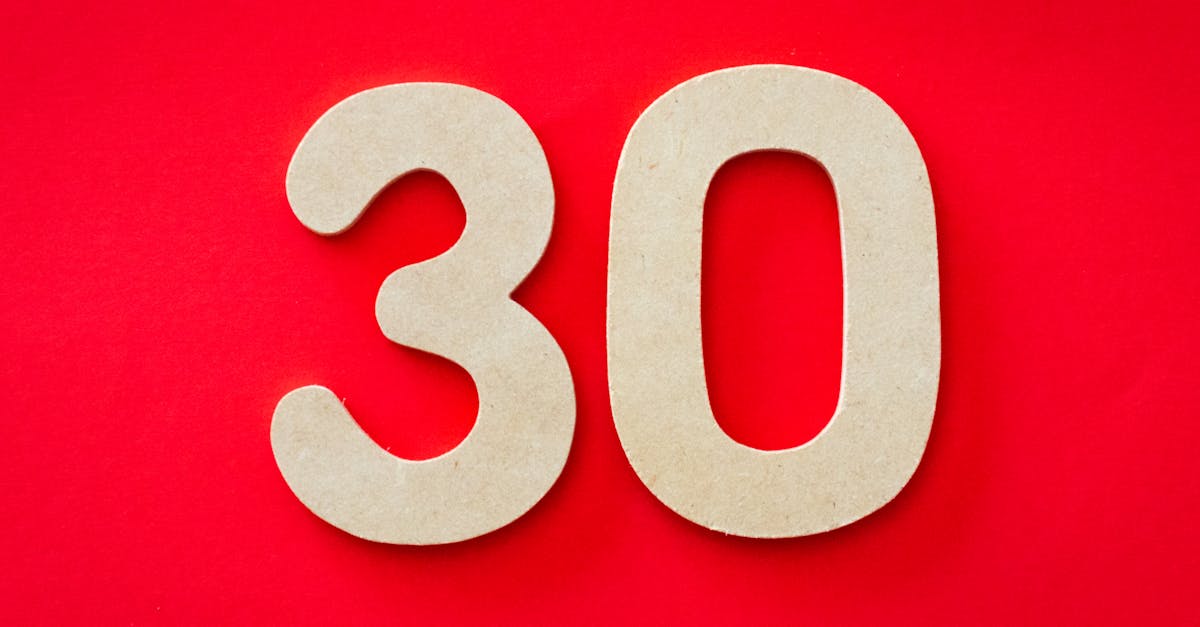
When you want something that is not essential, write it down with the date and price. Wait 30 days. If you still want it and can afford it, buy it. Often the urge fades. For smaller items, a 24-hour or 72-hour wait works similarly.
Keep a want list
A running list on your phone captures the item without buying it. Reviewing the list later shows how many wants disappear on their own and helps you prioritise the ones that remain.
Add friction online
- Remove saved payment cards from shopping sites and browsers.
- Turn off one-click ordering.
- Unsubscribe from promotional emails and turn off shopping app notifications.
- Leave items in your cart instead of checking out immediately.
Shop with a list in stores
Grocery and big-box stores are designed to encourage extra purchases. A list, a set budget and avoiding shopping when hungry or tired all help.
Watch the “free shipping” trap
Adding $15 of items to save $6 in shipping costs more overall unless you needed the items anyway.
Know your triggers
Notice when impulse spending happens: late at night, when bored, after a stressful day, when scrolling social media. Pick an alternative for those moments, such as a walk or a call to a friend.
Price it in hours
Divide the price by your hourly take-home pay. A $120 purchase at $20 an hour is six hours of work. This can make the trade-off clearer.
Give yourself a fun budget
Setting aside a small amount each month for guilt-free spending makes the rest of your plan easier to stick to. When it is gone, wait until next month.
Redirect the savings
When you skip a purchase, move that amount to savings. Seeing the balance grow reinforces the habit.
Frequently Asked Questions
What if the item will not be on sale in 30 days? Sales come around often. If it is a genuine need, buy it; if not, the sale is not a reason to buy.
Does this work for couples? Agree on a dollar limit above which either partner checks in before buying.
Is impulse spending always bad? Occasional spontaneous purchases are fine within a budget. The goal is to make choices on purpose.
The bottom line
Delay purchases, keep a want list, add friction online and move what you save to a goal. Small changes add up to significant savings over a year.