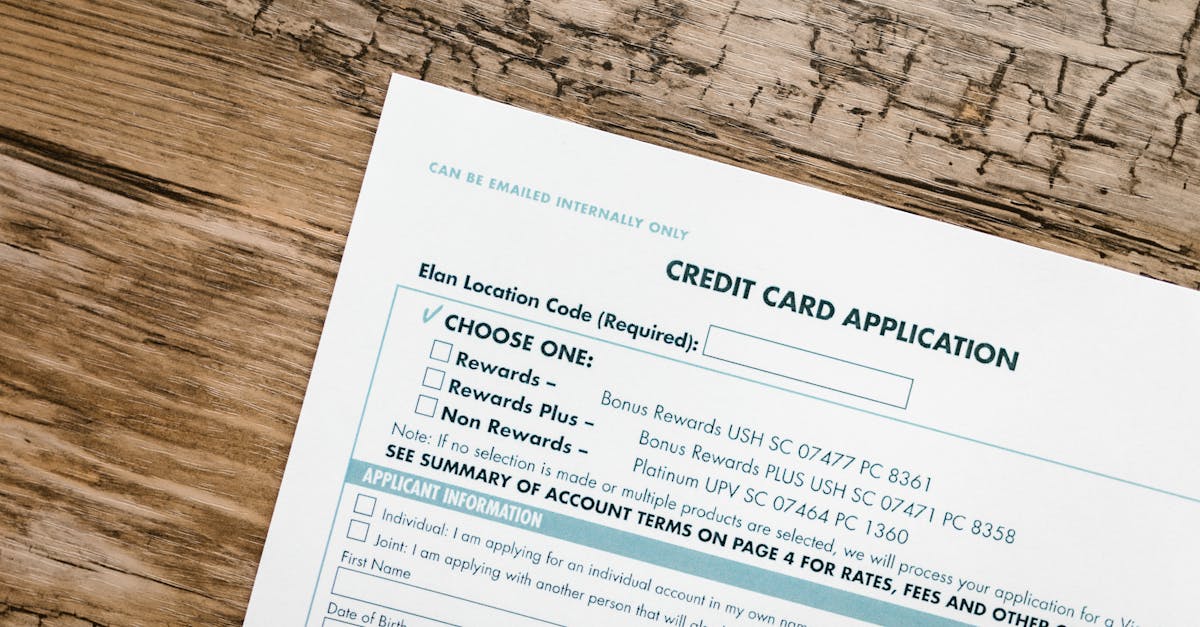
A card that pays 2% cash back sounds like free money. On $1,500 of monthly spending, that is $360 a year. But if you carry a balance at a typical credit card interest rate above 20%, one month of interest can wipe out a year of rewards. Rewards work only under one condition.
Key Takeaways
- Rewards pay off only if you pay the statement balance in full every month.
- Flat-rate cash-back cards are the simplest; category cards pay more in certain areas but need more attention.
- Annual fees make sense only if your rewards clearly exceed them.
- Spending more to earn rewards defeats the purpose.
The one rule
Pay the full statement balance by the due date every month. Set up automatic payment for the statement balance, not the minimum. If you cannot do this reliably, a rewards card is likely to cost more than it earns, and a low-rate card or debit card is a better tool.
Types of rewards cards
- Flat-rate cash back: the same percentage on everything, often 1.5% to 2%. No tracking required.
- Category cards: higher rewards on certain spending, such as groceries, fuel or dining, and a lower rate on everything else.
- Rotating categories: bonus rates on categories that change each quarter, often requiring activation and with spending caps.
- Travel points: points that can be worth more when redeemed for travel, but valuations vary and redemptions take effort.
Choosing one
Look at three months of spending. If most of it is spread across many categories, a flat-rate card is simple and effective. If a large share goes to groceries or fuel, a category card may earn more. Compare:
- Reward rate on your biggest categories
- Annual fee
- Spending caps on bonus categories
- How rewards are redeemed (statement credit, deposit, points)
- Foreign transaction fees if you travel
Annual fees
A $95 annual fee needs at least $95 in extra rewards over a no-fee card to break even. Calculate using your real spending. Premium cards with higher fees often include travel credits that matter only if you would have spent that money anyway.
Sign-up bonuses
Bonuses can be generous but usually require spending a certain amount within the first few months. Only pursue them if you would spend that amount anyway. Opening several cards in a short time can lower your credit score temporarily and make it harder to manage due dates.
Mistakes that cancel out rewards
- Carrying a balance, even occasionally.
- Spending more because of rewards.
- Paying fees: late fees, cash advance fees, foreign transaction fees.
- Letting rewards expire or redeeming points at poor value.
- Paying bills with a card when the merchant adds a convenience fee higher than your reward rate.
Protecting your credit
Rewards cards affect your credit like any card. Keep utilisation low by paying in full, avoid missing payments, and keep older accounts open if they have no annual fee, since length of credit history matters.
Redeeming
Cash back as a statement credit or deposit is simple. Some people send rewards straight to savings, so the benefit does not disappear into everyday spending.
Frequently Asked Questions
Do rewards count as income for taxes? Cash back on purchases is generally treated as a rebate rather than income. Bonuses not tied to spending may be treated differently.
Should I use a credit card for everything? Only if you can track spending and pay in full. Some people prefer debit to keep spending visible.
Is 1% cash back worth it? It is better than nothing if you pay in full, but 1.5% to 2% flat-rate cards are widely available.
The bottom line
Pay in full every month, pick a card that fits how you already spend, avoid fees and never spend extra to earn rewards. Under those conditions, cash back is a genuine saving.